
Reducing Fatigue Forces on the Bergen Line
Challenge
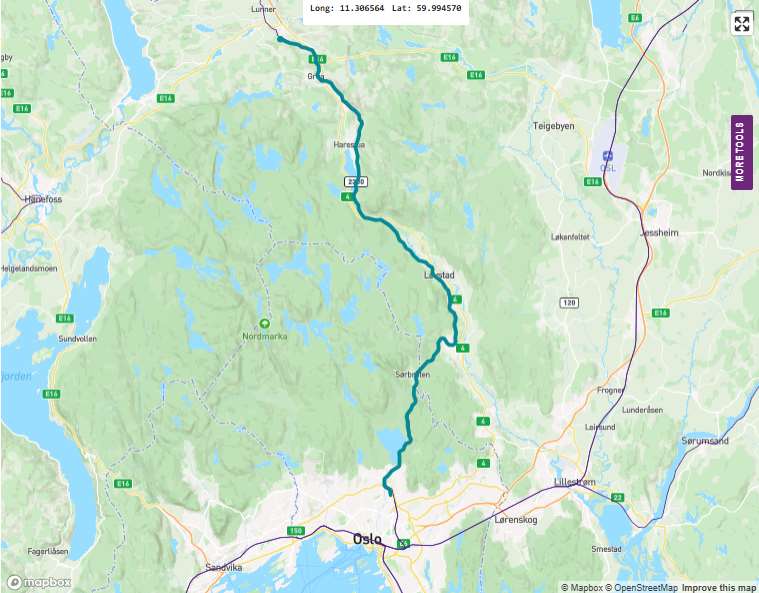
A demanding route creates demanding forces. The Oslo–Bergen railway is steep, curvy, and constantly changing in geometry. For Norske tog’s aging Type 7 coaches, this meant high longitudinal forces, heavy buffer loads in curves and high loads causing issues.
Norske tog wanted to consider an alternative to the existing Combigard friction-spring side buffers, but physical testing alone couldn’t evaluate alternative solutions efficiently, this is where Oleo stepped in.
Approach
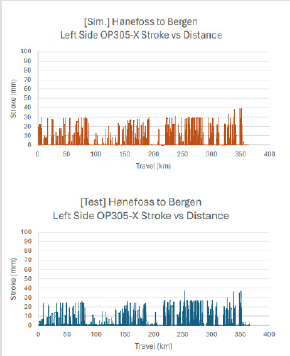
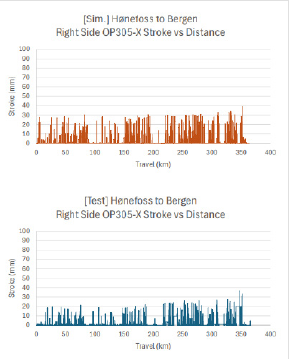
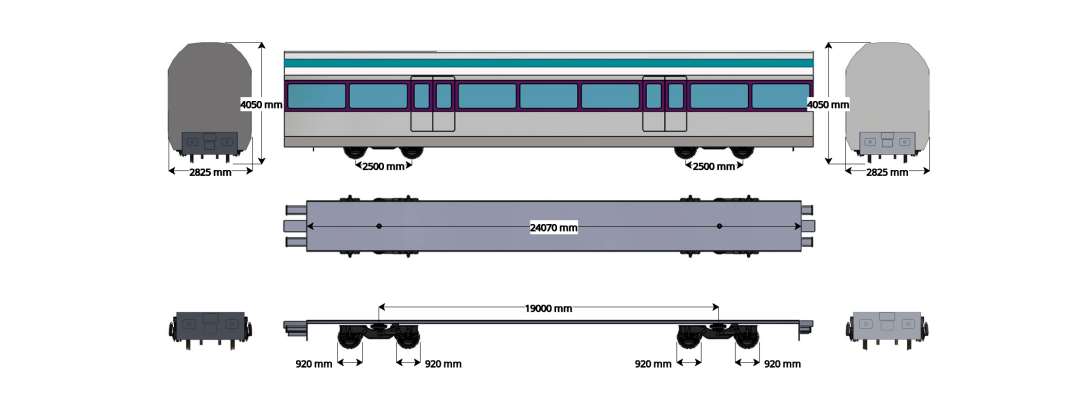
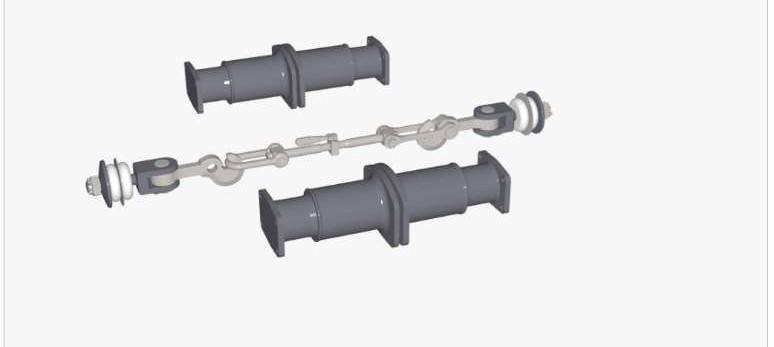
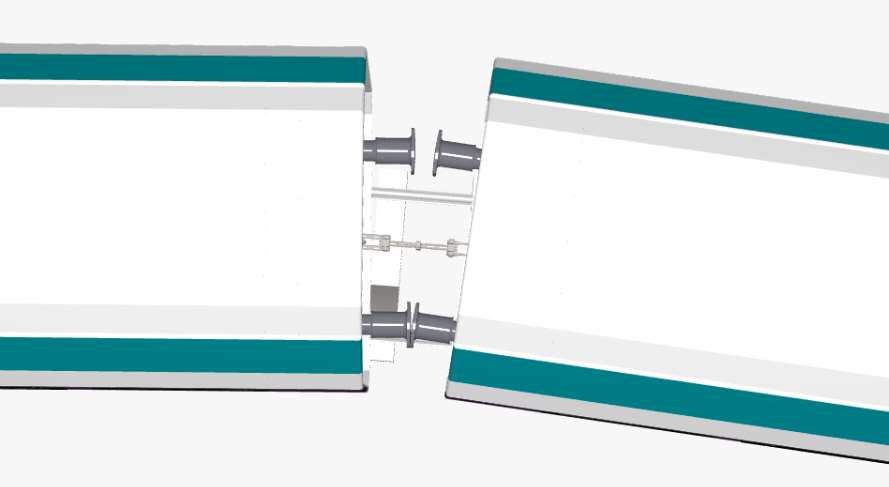
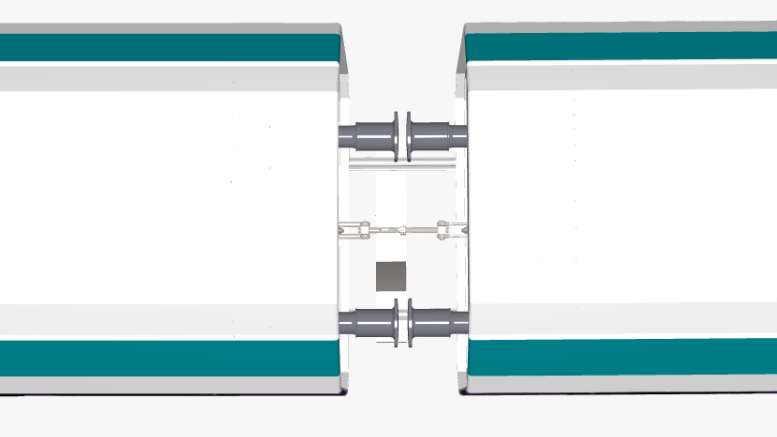
Two studies were a carried out, the first to simulate the force interaction between vehicles as the train negotiated curves of the route with the associated driving and braking forces over the mountainous terrain. The second study was to simulate the effects of replacing the Combigard buffers with Oleo Type 5 Buffers at 4 interfaces on a test train that would travel the Bergen Line in both directions.
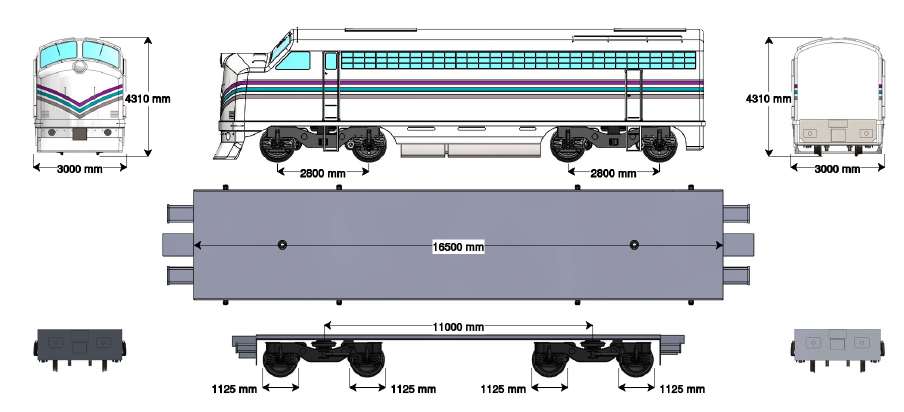
The initial simulation study involved creating a full virtual model of the Type 7 train, including locomotive behaviour, drawgear, Combigard buffers, and proposed low-force buffers. Norske tog later ran an instrumented ‘test-train’ with low-force buffers at selected positions. Prior to this test, DigitalTrains™ modeled the exact test-train configuration and ran full-route simulations in both directions.
After the tests were carried out the simulated vs measured force were compared which showed close alignment, validating the accuracy of DigitalTrains™ .
Conclusion
Using DigitalTrains™ gave Norske tog a powerful, evidence-based understanding of how the Bergen Line affects their trains.
By combining accurate survey-driven simulation with real-world validation, Norske tog could confidently evaluate how the Oleo Type 5 lower-force side buffers could reduce the fatigue loads and how this would affect their fleet.
The same DigitalTrains™ workflow can now be applied to other fleets, components, and routes where operators need clear, evidence based understanding of in-service forces.
Impact for Norske tog
With DigitalTrains, Norske tog could:
• Understand the cause of recurring issues
• Explore and compare buffer technologies without modifying a full train
• Reduce reliance on expensive physical trials
• Validate the benefits of low-force buffers with confidence
• Support decisions about extending the life of the Type 7 fleet
Key Insights
Low-force buffers reduce fatigue-driving loads
- Typically around 50% lower buffer forces in curves
Coupler behaviour becomes smoother
- Peak loads similar, but far less overall force cycling
Critical track sections identified
- Precise survey-based geometry showed which curves and transitions contribute most to fatigue
Simulations accurately predicted real test results
- A close match between simulated and measured forces confirmed the validity of the approach.