
Upgrading Buffer Stop Safety at Churchgate Station Mumbai
Introduction
Mumbai’s suburban railway is one of the busiest rail networks in the world, carrying millions of passengers daily. Many of its terminal platforms were equipped with legacy (water- based) Buffer Stops installed 40–50 years ago.
These systems were developed using outdated design methodologies and were not engineered to handle the increased mass and operational demands of modern rolling stock. Over time, this has created a significant safety risk at terminal stations.
Challenge
In June 2015, a suburban train failed to stop and collided with the buffer stop at Platform 3, Churchgate Station. The incident resulted in:
- Significant damage to rolling stock
- Structural damage to station infrastructure
- Passenger injuries
Although temporary repairs were implemented, the incident highlighted a critical issue: the existing buffer stop system lacked the technology to effectively absorb impact energy
and ensure passenger safety.
Western Railway required a modern, reliable, engineered solution that could:
- Safely arrest trains in overrun scenarios
- Minimise damage to infrastructure and rolling stock
- Operate effectively within limited platform space
- Reduce maintenance requirements
Solution
A comprehensive engineering approach was undertaken, involving advanced simulation and impact analysis of train dynamics, including mass, velocity, and stopping conditions.
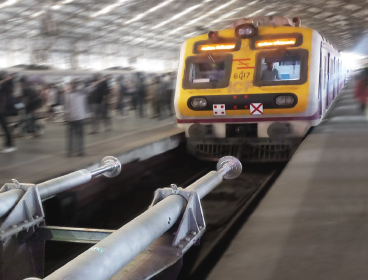
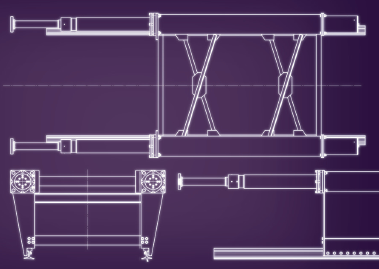
A bespoke fixed hydraulic buffer stop system was designed based on hydro pneumatic energy absorption technology.
Key features of the solution include:
- High Energy Absorption: 1254 kJ capacity
- Design Capability: Able to arrest a 15 Car EMU train (1300 MT) at 5 km/h
- Adaptive Performance: Variable characteristics based on operational conditions
- Compact Design: Optimised to preserve valuable platform space
- Maintenance-Free Operation: Reduced lifecycle costs and downtime
Implementation
The project scope included:
- Detailed simulation and design engineering
- Manufacturing and factory testing
- On-site installation and commissioning
- Dynamic field testing to validate performance
The system was successfully commissioned in 2019.
Results and Impact
The upgraded buffer stop system delivers significant improvements in safety and operational reliability:
- Enhanced protection for passengers in overrun scenarios
- Reduced risk of severe damage to trains and infrastructure
- Improved confidence in terminal safety systems
- Elimination of routine maintenance requirements
The success of this installation has demonstrated the effectiveness of modern engineered solutions in replacing outdated infrastructure.
Conclusion
This project highlights the importance of combining engineering expertise, simulation-driven design, and real-world testing to address evolving safety challenges in rail networks.
Upgrading legacy infrastructure is no longer optional – it is essential to meet the demands of modern rail transport and ensure the highest standards of safety.